Dorm Mini-Fridge Healthy Snacks: Every Question Answered
Quick Answer: A small mini-fridge can hold a genuinely healthy rotation of snacks — Greek yogurt, pre-cut vegetables, hard-boiled eggs, hummus, and fruit — if you prioritize items that don’t need cooking and organize by what spoils fastest, placed where you’ll actually see it first.
Dorm mini-fridges are small, shared spaces are chaotic, and there’s rarely a real kitchen nearby. That doesn’t mean healthy snacking is off the table — it just requires different choices than a full-size kitchen would.
What actually fits and stays fresh in a mini-fridge?
What actually fits and stays fresh?
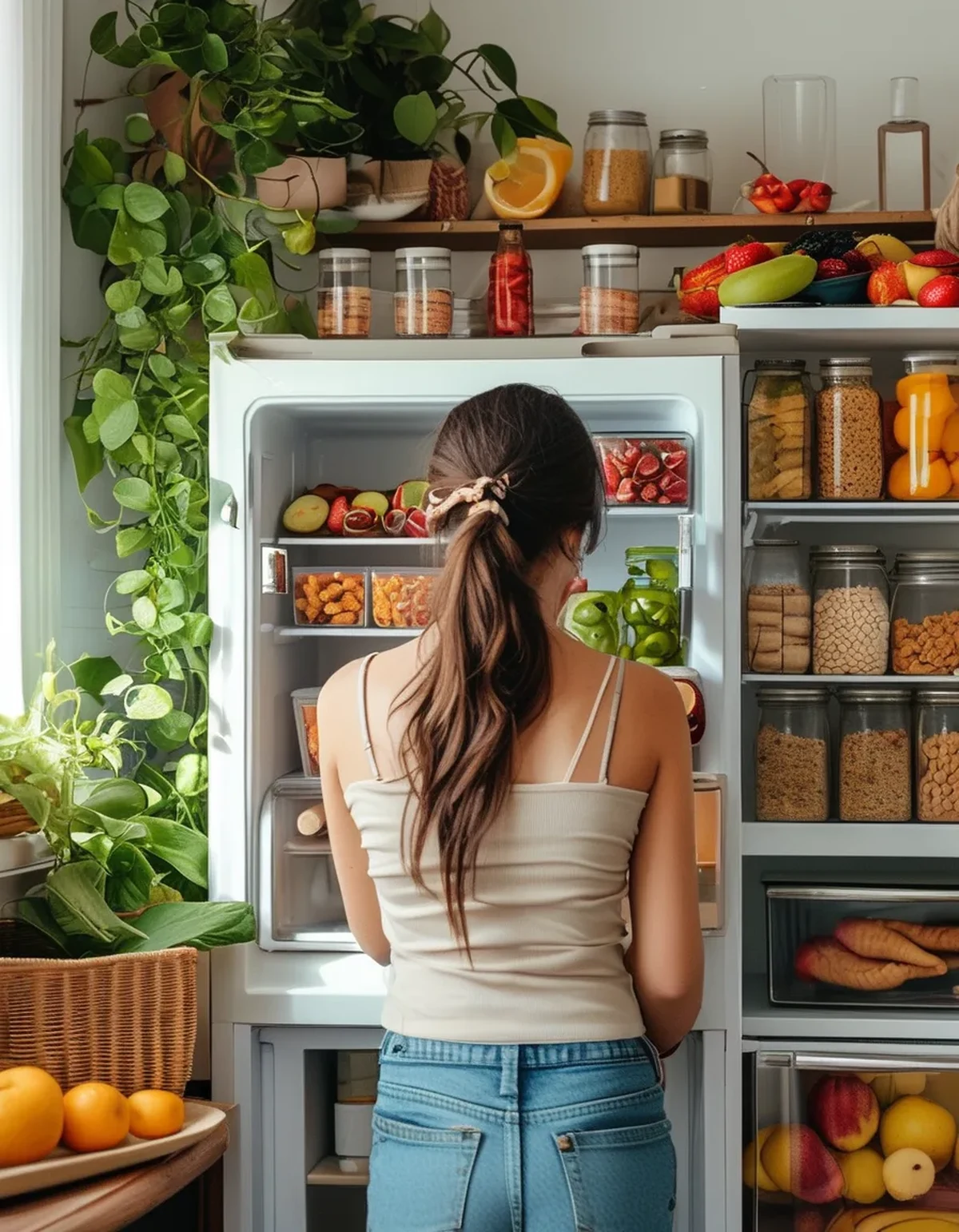
Greek yogurt, pre-washed and cut vegetables, hummus, hard-boiled eggs, and cheese sticks are among the most space-efficient, no-cook options that hold up well in a small fridge for 4-7 days without spoiling.
How do I keep food from getting lost in such a small space?
Use small stackable bins inside the fridge and place items closest to spoiling at eye level in front, so you actually see and use them before they go bad rather than discovering them expired weeks later.
Is pre-cut produce worth the extra cost in a dorm?
Is it worth buying pre-cut produce even though it costs more?
For dorm life specifically, yes — the time and effort saved in a shared, often cramped kitchen space usually outweighs the extra cost, since produce that requires prep tends to go unused and wasted otherwise.
What no-cook protein options work best?
Greek yogurt, hard-boiled eggs (pre-boiled in bulk or bought pre-cooked), and canned tuna or chicken pouches all provide protein without needing a stove or microwave.

How do you manage stock in such a small space?
How do I handle snacking when my mini-fridge is already full?
Rotate stock weekly rather than buying everything at once — a smaller, more frequent shopping pattern keeps the fridge from becoming overstuffed and disorganized, which is when food tends to get wasted.
What’s realistic with no microwave access?
Focus entirely on no-heat items: yogurt, cottage cheese, pre-made salads, nut butter with fruit, and cold sandwiches cover a surprising amount of nutritional ground without needing any heating at all.
What about shelf-stable items outside the fridge?
Are shelf-stable pantry items worth keeping alongside the fridge items?
Yes — nuts, whole-grain crackers, dried fruit, and single-serve nut butter packets don’t need refrigeration and fill nutritional gaps (fiber, healthy fats) that fridge items alone might miss.
How do I avoid the fridge smelling like a mess of mixed foods?
Keep strong-smelling items (cut onion, certain cheeses) in sealed containers, and wipe down shelves weekly — small habits that matter more in a shared, cramped space than in a full-size kitchen.
TL;DR:
- No-cook proteins like yogurt, eggs, and hummus hold up well in a small mini-fridge
- Organize by what spoils fastest and place those items at eye level in front
- Pre-cut produce costs more but gets used far more often in dorm conditions
- Rotate stock weekly rather than overbuying to avoid a cluttered, wasteful fridge
Start with just five staples from this list and build your rotation from there — you don’t need a full kitchen to eat well in a dorm.
Keep Reading
This article is for general informational and styling purposes only. Fit, sizing, and product availability may vary.