Is the 'Freshman 15' Actually Normal? What the Research Shows
Quick Answer: Research consistently finds average freshman year weight gain closer to 2.5-5 pounds, not the mythical 15 — but individual variation is wide, and the causes are more about schedule chaos than one bad food choice.
The ‘Freshman 15’ gets repeated so often it sounds like an established fact. But when researchers actually tracked first-year students’ weight, the numbers came back a lot smaller than the nickname suggests — which raises the real question of what’s actually happening.

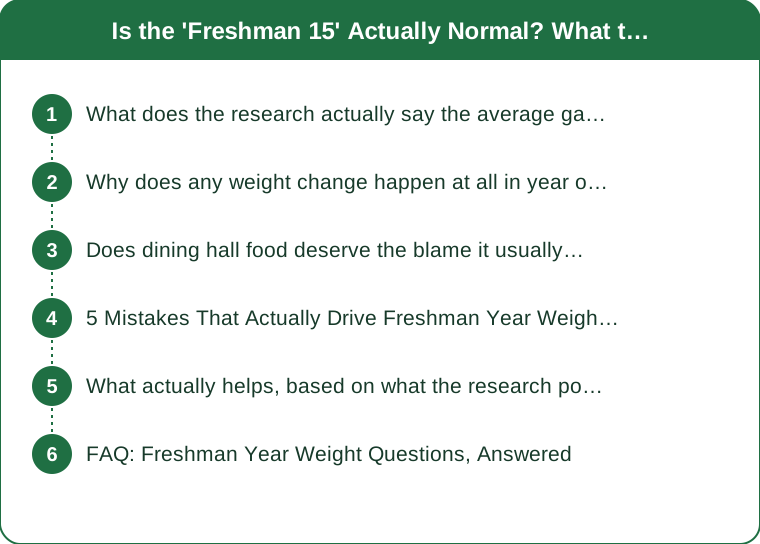
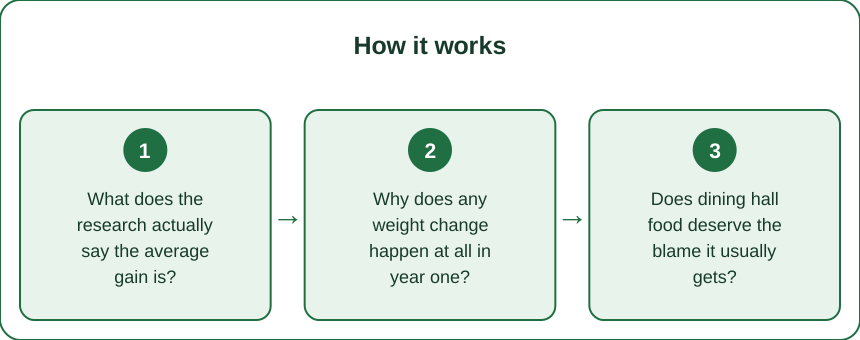
What does the research actually say the average gain is?
Multiple university studies tracking first-year students found average gains in the 2.5 to 5 pound range over the full first year, not the first semester and not 15 pounds. Some students lose weight; a meaningful portion gain little to nothing.
The ‘15’ figure appears to have spread as a catchy nickname rather than a measured average — it sticks because it rhymes and feels dramatic, not because it reflects most students’ actual experience.
Why does any weight change happen at all in year one?
It’s rarely about one meal choice — it’s usually a cluster of schedule changes hitting at once: less consistent sleep, new stress patterns, dining hall access replacing home cooking, and often reduced structured activity if high school sports or PE end.
Alcohol introduction for some students adds calories that weren’t previously part of a regular pattern. None of these individually cause much change, but stacked together over months, small shifts add up.
Does dining hall food deserve the blame it usually gets?
Partly, but it’s not the full story. Dining halls do make certain choices easier — self-serve portions, dessert stations, late-night options — but students who build meals around protein and vegetables available in most dining halls generally do fine.
The bigger dining hall factor is often novelty and unlimited access: when meals are unlimited and new, some students eat past fullness simply because more options are visible, not because the food itself is uniquely fattening.

5 Mistakes That Actually Drive Freshman Year Weight Change
1. Skipping meals then overeating later — irregular eating from class schedules leads to compensatory overeating at the next available meal.
2. Late-night eating becoming a social default — late study sessions and social time often come with snacking that wasn’t previously part of the routine.
3. Stress eating without noticing it’s stress-driven — new academic and social pressure genuinely changes eating patterns for many people.
4. Losing incidental activity — walking to classes doesn’t always replace the sports or structured activity that ended after high school.
5. Alcohol calories going untracked — this is easy to overlook since it doesn’t feel like ‘eating,’ but it adds up over a semester of weekend socializing.
What actually helps, based on what the research points to?
Consistent sleep schedule shows up repeatedly as a protective factor — poor sleep is linked to increased hunger hormones and less structured eating. Building a regular exercise habit early, even something as simple as a recurring campus gym visit or club, correlates with more stable weight in tracked studies.
Eating protein and vegetables first at dining hall meals before filling up on other options is a small, low-effort habit that several campus nutrition programs recommend specifically because it requires no willpower fight, just an ordering choice.
FAQ: Freshman Year Weight Questions, Answered
Is it normal to lose weight freshman year instead of gaining?
Yes — a significant portion of students in tracked studies lost weight or stayed stable, often due to increased walking on campus or less access to home-cooked comfort food.
Does the Freshman 15 apply the same way to everyone?
No — individual variation is large, and factors like living situation (dorm vs. home), meal plan type, and prior activity level all shift the outcome meaningfully.
Should a few pounds of change freshman year be a concern?
A small change within the normal range studies describe usually isn’t a health concern on its own — significant, rapid, or distressing weight change is worth discussing with a campus health provider rather than self-managing.
TL;DR:
- Real average gain is closer to 2.5-5 pounds, not 15 — the nickname outpaced the data
- Sleep disruption, stress, and lost structured activity matter more than dining hall food itself
- Protein-and-vegetables-first at meals is a low-effort habit with real backing
- Wide individual variation is normal — some students lose weight, most don’t gain much
This is general information, not medical advice — significant or concerning weight changes are worth a conversation with a campus health provider.
Keep Reading
This article is for general informational and styling purposes only. Fit, sizing, and product availability may vary.