How Do I Fit In Cardio With a Packed Class Schedule? A Realistic Answer
Quick Answer: Fitting in cardio with a packed class schedule usually means stacking it onto existing transitions - walking or biking between classes, short 10-15 minute sessions between commitments - rather than trying to block out a separate 45-60 minute gym session. Consistency in short bursts beats occasional long sessions for most students.
Every fitness plan assumes you have an open hour somewhere in your day. Between an 8am class, a lab, a part-time job, and studying, that hour rarely exists. Here’s how students actually make cardio fit into a schedule that has no obvious gaps.

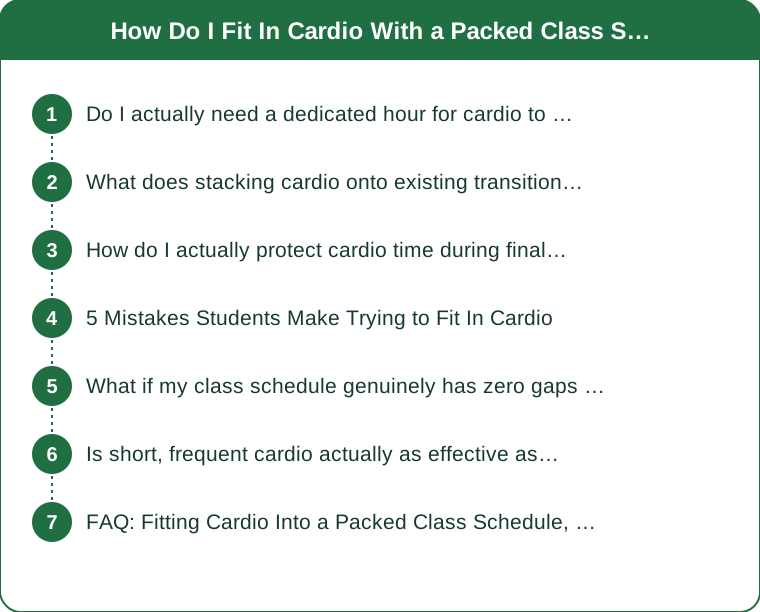
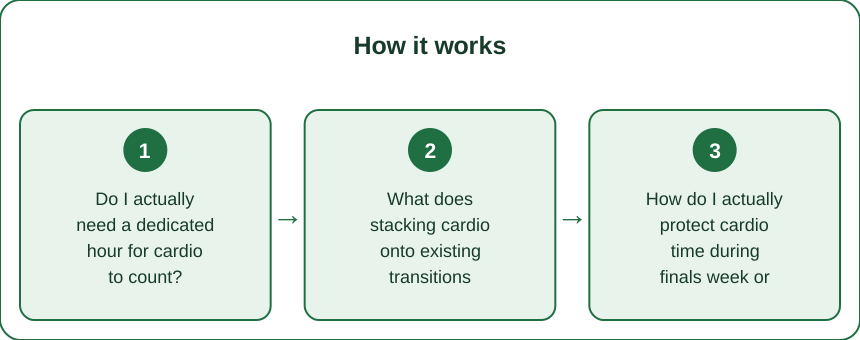
Do I actually need a dedicated hour for cardio to count?
No - cardiovascular benefit accumulates across shorter sessions throughout the day almost as effectively as one longer block, according to how most current exercise guidelines are structured. Three 10-minute walking or jogging sessions between classes can add up to the same 30 minutes of activity as one continuous session, with the added benefit of actually fitting into a schedule that has no single free hour.
This matters specifically for students because the barrier usually isn’t motivation - it’s finding a 45-60 minute uninterrupted block that simply doesn’t exist between an 8am class and a 6pm study group. Removing the requirement for one long block removes the actual obstacle.
What does stacking cardio onto existing transitions actually look like?
Walking or biking to class instead of taking a shuttle is the single easiest stack for most students - if your commute is 10-15 minutes each way, that’s 20-30 minutes of cardio already built into your day without adding a single new time block. Taking a slightly longer walking route on days without a tight schedule adds even more for free.
A 10-minute jog between a class and your next commitment works when you have a genuine gap, even a small one - campus gyms with quick drop-in access make this realistic without needing to change clothes for a full workout, and 10 minutes of brisk activity is enough to raise your heart rate meaningfully.
Stairs instead of elevators, every single time, sounds minor but adds up across a day with multiple classes in multi-story buildings - this isn’t a replacement for dedicated cardio, but it’s a genuinely free addition that requires zero extra scheduling.
How do I actually protect cardio time during finals week or exam-heavy periods?
Treat a 10-15 minute cardio block the same way you’d treat a study block - write it into your planner as a fixed appointment, not something you’ll get to if time allows. Students who schedule short movement breaks specifically during high-stress exam periods often report better focus during subsequent study sessions, not less time overall, since a short break resets attention in a way that pushing through fatigue doesn’t.
If a full session genuinely isn’t happening on a specific brutal day, a 5-minute option - a brisk walk around the building, a flight of stairs a few times - is far better than skipping movement entirely, and it keeps the habit alive so it’s easier to return to a longer session once the exam period eases.

5 Mistakes Students Make Trying to Fit In Cardio
1. Waiting for a perfect, uninterrupted hour that never comes. This is the single biggest reason cardio gets skipped entirely - shift the goal to short, stackable sessions instead of one ideal block.
2. Treating campus walking as “not real exercise.” A brisk 15-minute walk between classes provides real cardiovascular benefit - dismissing it as not counting just removes activity you’re already doing from your mental tally.
3. Scheduling workouts during your actual highest-energy study window. If your best focus hours are 7-9pm, that’s a poor time to also schedule cardio - protect your peak study time and place cardio in a lower-focus window instead.
4. Skipping cardio entirely during exam weeks instead of shortening it. A 10-minute version maintains the habit; skipping it completely means restarting the habit from zero once exams end, which is a bigger setback than a shorter week.
5. Not using campus resources that are already paid for. Most college tuition includes access to a campus gym or rec center - not using facilities you’re already paying for through tuition is leaving a resource unused that could solve the access problem entirely.
What if my class schedule genuinely has zero gaps on most days?
Look at the transitions you’re already doing, not the gaps you don’t have. Walking to class faster than necessary, taking stairs, or doing a 5-minute bodyweight circuit in your dorm room right when you wake up or right before bed - none of these require a schedule gap because they’re inserted into time you’re already using, not new time you have to find.
For days that are genuinely wall-to-wall, a single 5-minute high-intensity burst (jumping jacks, high knees, a fast set of bodyweight squats) between commitments provides a real cardiovascular hit in a fraction of the time a traditional cardio session would take - it’s not a full replacement for longer sessions on lighter days, but it keeps the habit consistent through the busiest stretches.
Is short, frequent cardio actually as effective as one long session?
For general cardiovascular health and stress management - which is the priority for most students juggling a packed schedule - short frequent sessions provide comparable benefit to one longer session, according to current physical activity guidelines that count accumulated minutes across a day or week rather than requiring continuous blocks. Total weekly volume tends to matter more than session length for this specific goal.
For more specific athletic performance goals (training for a race, building significant endurance), longer continuous sessions do offer some distinct training benefits that short bursts don’t fully replicate - but for a student mainly trying to stay active and manage stress around a demanding schedule, the short-and-frequent approach is a completely legitimate strategy, not a compromise.
FAQ: Fitting Cardio Into a Packed Class Schedule, Answered
How many total minutes of cardio should I actually be aiming for each week as a student?
Common guidelines suggest roughly 150 minutes of moderate activity per week, which breaks down to about 21-22 minutes a day - a target that’s much more achievable when split across walking, stairs, and short sessions than as one weekly gym block.
Does walking to class actually count as real cardio, or do I need to also do a separate workout?
Brisk walking genuinely counts as moderate cardio activity and contributes meaningfully to your weekly total - it doesn’t have to be supplemented by a separate session to count, though additional structured cardio still has its own added benefits if your schedule allows it.
What’s the best time of day for a student to fit in cardio if there’s no obvious free slot?
The transition time right before your first class or right after your last one tends to work well for most students, since it doesn’t compete with study blocks in the middle of the day - but the honest answer is whatever slot you’ll actually protect and repeat consistently, since consistency matters more than the specific hour chosen.
TL;DR:
- Cardio benefit accumulates across short sessions - you don’t need one long uninterrupted block
- Walking or biking to class, taking stairs, and short 10-minute jogs all count toward weekly totals
- Treat cardio time like a study block on your calendar, and shorten (don’t skip) it during exam weeks
- Aim for roughly 150 minutes weekly, split however actually fits your real schedule
The goal isn’t finding a perfect hour - it’s stacking movement onto time you’re already spending walking between classes.
Keep Reading
This article is for general informational and styling purposes only. Fit, sizing, and product availability may vary.