Staying Fit During Study Abroad: The Questions Nobody Answers Before You Leave
Quick Answer: Staying fit during study abroad mostly comes down to two adjustable strategies — bodyweight or minimal-equipment workouts that don’t depend on a specific gym, and treating walking-heavy exploration as legitimate activity rather than something separate from “real” exercise — since most students lose their home gym routine entirely once they land.
Most fitness content assumes a consistent home base: same gym, same equipment, same schedule. Study abroad removes all three, which raises questions general fitness advice doesn’t address.
Do I need to find a gym in my host country right away?
Not necessarily — many students find that a bodyweight or resistance-band routine covers the gap well enough during a semester, especially since gym membership logistics (contracts, language barriers, unfamiliar equipment) can eat into the limited time already spent adjusting to a new place.
If a gym is genuinely important to your routine, look into short-term or day-pass options first rather than committing to a long contract before you know your actual schedule and neighborhood.
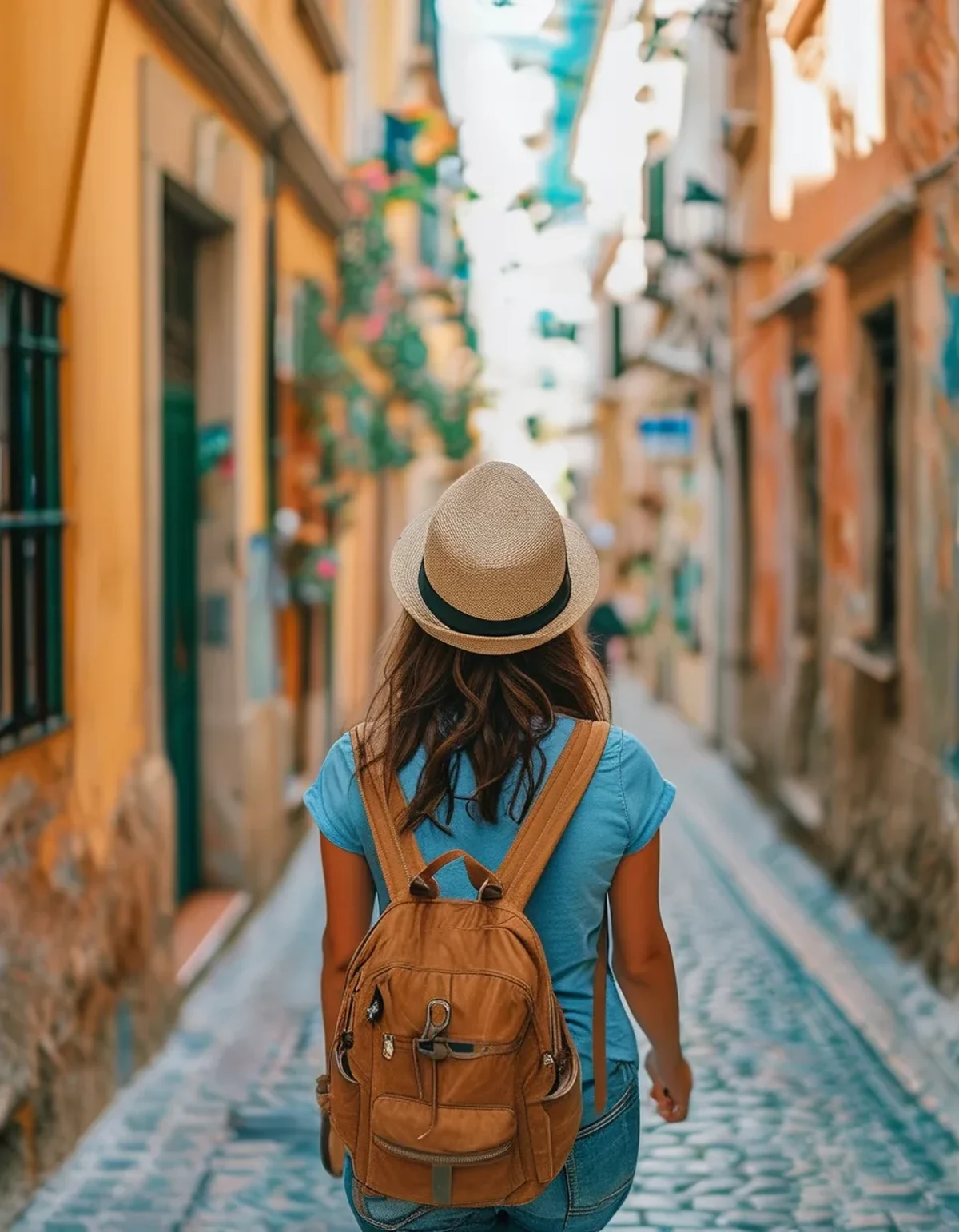
Does walking around a new city actually count as real exercise?
Yes, meaningfully — study abroad students often walk far more than their home routine (commuting, exploring, public transit connections), and that volume of daily walking provides real cardiovascular and step-count benefits even without a structured workout.
The key nuance: walking supplements but doesn’t fully replace strength training, so pairing city walking with even 2 short bodyweight strength sessions a week covers more of the full fitness picture than walking alone.

What Nobody Tells You About Study Abroad Fitness
The biggest disruption usually isn’t lack of gym access — it’s the total collapse of routine timing. Different class schedules, time zone adjustment, and a much more social daily rhythm mean the old “same time every day” workout habit often doesn’t survive the transition, and expecting it to is a common source of guilt.
Students who adapt fastest tend to pick a flexible anchor (any 20 minutes, whenever it fits that day) rather than trying to force their home schedule onto a fundamentally different daily structure.
How do I handle unfamiliar food while trying to stay consistent?
Rather than trying to replicate a home diet exactly, focus on consistent basics that travel well across most food cultures — adequate protein at most meals and reasonable portion awareness — while treating trying new foods as one of the actual points of studying abroad, not a diet obstacle to minimize.
Overly rigid food rules abroad tend to create more stress and social friction (skipping group meals, awkward restaurant moments) than they’re worth for a temporary semester.
FAQ: Study Abroad Fitness Questions, Answered
What if my host dorm or apartment has literally no workout space?
A bodyweight routine needs surprisingly little space — most core, glute, and upper-body bodyweight exercises fit in the footprint of a yoga mat, which fits in nearly any room.
Should I bring resistance bands from home?
They’re lightweight, pack flat, and cover a meaningful amount of strength training without needing gym equipment — a reasonable addition to luggage for anyone who wants more than pure bodyweight training.
Is it normal to lose some fitness consistency during the adjustment period?
Yes, very common — the first few weeks of adjusting to a new country, schedule, and social environment naturally deprioritize workout consistency for most students, and it typically stabilizes once the broader routine settles.
TL;DR:
- Bodyweight and resistance-band routines cover most of the gap left by an unfamiliar gym
- City walking provides real cardio benefit but works best paired with some strength training
- A flexible timing anchor survives schedule disruption better than trying to replicate a home routine
- Some early consistency loss during adjustment is normal, not a sign you’re failing at this
Study abroad fitness isn’t about replicating your home routine in a new location — it’s about building a flexible enough version that survives the disruption.
Keep Reading
This article is for general informational and styling purposes only. Fit, sizing, and product availability may vary.